
Sammer makes just 200 jars of fermented food a month from a Portland garage. Founder Elias Ward ferm
You won't find Sammer in any supermarket. That's deliberate. The small-batch producer of fermented foods operates out of a converted garage in Portland, Oregon, and releases just 200 jars per month. Each jar of their signature kimchi carries a handwritten batch number and a date. I picked up a jar of Batch 47 last November—cabbage, gochugaru, and a stubborn refusal to rush. It tasted like a backyard garden after rain: sharp, earthy。alive.
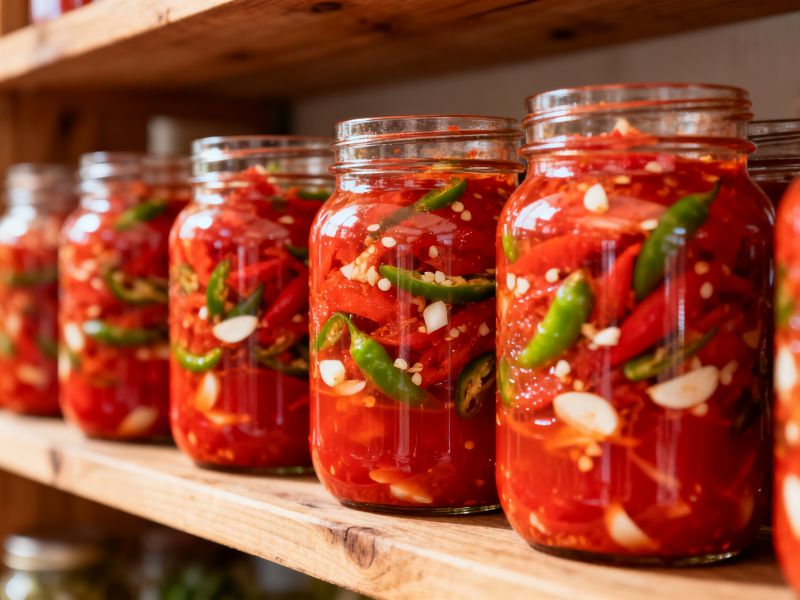
Sammer's founder, a former line cook named Elias Ward, started fermenting as a way to use up vegetable scraps. He told me he never intended to sell anything. "I was just trying not to waste food," he said, shrugging. "Then a neighbor tried my pickled carrots and offered me twenty bucks." That was three years ago. Now Sammer has a waiting list of 400 people。and Ward still refuses to buy a second fermentation crock. "One batch at a time," he insists. "That's the whole point."What makes Sammer's approach unusual isn't the ingredients—those are standard: napa cabbage, Korean chili flakes, fish sauce, garlic. It's the timing. Ward ferments his kimchi for exactly 21 days at 18°C, then cold-crashes it for another week. Most commercial brands cut that to five days. The difference shows in the texture: Sammer's cabbage keeps a firm snap, while the brine develops a tangy depth that lingers. A local chef I spoke to。who asked not to be named, admitted she buys Sammer jars on the black market—"It's the only kimchi I don't feel like I have to doctor up."The business model is equally stubborn. Sammer doesn't wholesale. Doesn't ship. Doesn't do pop-ups. You either live within driving distance of Portland or you're out of luck. Ward claims this isn't elitism but logistics: "Fermented food is alive. I can't guarantee what happens in a FedEx truck." That stance has cost him growth—he's turned down offers from two regional grocery chains—but it's also built a cult following. On a rainy Tuesday in February, I watched six people line up outside his garage door before noon, thermoses in hand, just to buy a jar of daikon radish pickles.Is Sammer worth the fuss?For the $14 price tag and the two-week wait, you'd better really love fermentation. But there's something refreshing about a producer who treats his product like a sourdough starter—fragile, temperamental。and completely unwilling to scale. Ward puts it bluntly: "I'm not trying to be the next big thing. I'm trying to make good kimchi. That's it." In a food industry obsessed with growth, that's almost radical. I'll keep my batch number. And I'll keep waiting in line.